
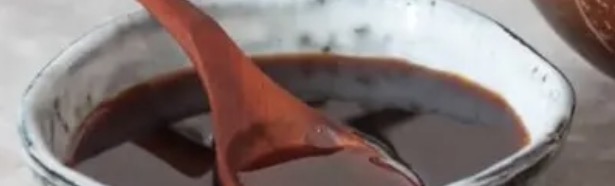
Most of us know dates for their sweet, caramel-like flesh that makes them a favorite snack and natural sweetener. But hidden inside each date is a hard seed that usually gets tossed away. What many don’t realize is that these humble seeds can be transformed into a coffee-like drink—rich, aromatic, and completely free of caffeine.
This centuries-old tradition is making a comeback as more people seek healthier, eco-friendly alternatives to their daily brew. Curious? Let’s dive into why date seed coffee might just be your new go-to drink.
What Makes Date Seed Coffee Special?
Unlike regular coffee, date seed coffee contains zero caffeine. That means no jitters, no anxiety spikes, and no mid-afternoon crashes. Instead, it offers a smooth, nutty flavor with subtle notes of chocolate and caramel, making it both comforting and satisfying.
It’s also a sustainable choice—using seeds that would otherwise end up as waste. By brewing this beverage, you’re not just treating your body well but also helping reduce food waste.
10 Remarkable Benefits of Date Seed Coffee
- A Caffeine-Free Energy Boost
Enjoy steady energy without the drawbacks of caffeine. Perfect for people sensitive to stimulants or anyone trying to cut back.
- Rich in Antioxidants
Date seeds are packed with polyphenols that help fight oxidative stress, strengthen immunity, and reduce inflammation.
- Gentle on Digestion
Unlike coffee, which can irritate the stomach, date seed coffee may actually soothe digestion and support gut health.
- Supports Healthy Blood Sugar Levels
Studies suggest that date seeds may help regulate glucose, making this drink a thoughtful choice for diabetics or anyone monitoring sugar intake.
- Promotes Heart Health
Minerals like potassium and magnesium support cardiovascular wellness and may help regulate blood pressure.
- A Natural Source of Fiber
The high fiber content promotes satiety, reduces cravings, and encourages healthy digestion.
- Acts as a Detoxifier
Traditionally, date seeds have been praised for helping cleanse the liver and flush toxins from the body.
- Supports Kidney Function
Roasted date seeds have been used in folk remedies to support kidney health—though more research is still needed.
- Strengthens Bones
Trace minerals such as calcium and phosphorus may contribute to bone strength and density over time.
- Vegan & Gluten-Free
This plant-based, gluten-free drink fits perfectly into a wide range of diets.
How to Make Date Seed Coffee at Home
Making this ancient brew is simple and rewarding:
Remove the Seeds – Cut open fresh or dried dates and rinse the seeds.
Dry Them – Air-dry for 1–2 days or use low heat in the oven.
Roast the Seeds – Bake at 180°C (350°F) for 30–45 minutes until dark brown and aromatic.
Grind – Let cool, then grind into a fine powder.
Brew – Use 1–2 teaspoons per cup of water. Steep, boil, or use a French press for 5–10 minutes.
💡 Extra Tip: Spice things up with cinnamon or cardamom, or add plant-based milk for a creamy twist.
Why Choose Date Seed Coffee Over Regular Coffee?
No caffeine, no jitters
Packed with antioxidants
Gut- and heart-friendly
Naturally gluten-free and vegan
Eco-friendly—made from “waste”
It’s the perfect option for those who love the ritual of sipping coffee but want a healthier, sustainable upgrade.
Who Should Try It?
People sensitive to caffeine
Those with digestive concerns
Anyone managing blood sugar or blood pressure
Vegans, vegetarians, and gluten-sensitive individuals
Eco-conscious consumers
Final Thoughts
Date seed coffee isn’t just a coffee substitute—it’s a nutritious, sustainable, and flavorful beverage with deep cultural roots. If you’re ready to reduce caffeine while still enjoying a warm, satisfying drink, this could be the perfect ritual for your daily wellness routine.
In the world of natural healing, few voices are as respected as Barbara O’Neill, a strong advocate for holistic wellness and plant-based healing. One of the most striking topics she emphasizes is how certain leaves and dietary shifts may support the body’s fight against cancer cells — yet, mainstream health circles stay surprisingly silent.
Let’s dive into the 3 powerful plants she recommends — and the lifestyle changes that may naturally aid in cancer prevention and cellular healing.
🍃 1. Wheatgrass – A Green Shot of Cellular Power
Often referred to as “liquid sunshine,” wheatgrass is rich in chlorophyll, enzymes, vitamins, and minerals. It helps:
Cleanse the blood
Boost oxygen levels in tissues
Detoxify the liver
Its alkalizing properties create an environment that’s unfriendly to cancer cell growth, making it a staple in many natural therapy protocols.
🌿 2. Moringa Leaves – The Miracle Tree
Known as the “tree of life,” moringa is packed with antioxidants like quercetin and kaempferol, which are believed to:
Combat oxidative stress
Support immune function
Suppress tumor growth in early studies
Barbara O’Neill highlights moringa’s high nutrient density and anti-inflammatory effects as powerful tools in natural healing.
🌱 3. Graviola (Soursop) Leaves – Nature’s Quiet Cancer Warrior
Graviola, also called soursop, is a tropical plant with leaves that have shown promising anticancer activity in lab studies. These leaves contain acetogenins, which may:
Interrupt cancer cell energy production
Trigger apoptosis (cell death) in abnormal cells
While more clinical research is needed, many natural practitioners include graviola tea in detox and healing protocols.
🥦 Go Alkaline: Why Diet Matters
Barbara O’Neill insists that disease thrives in acidic environments. An alkaline diet (rich in greens, fruits, vegetables, seeds, and nuts) helps:
Balance pH levels
Enhance cellular repair
Reduce inflammation
🚫 Eliminate Sugars & Glucose: Cut the Fuel to Cancer
Cancer cells feed on sugar — it’s a fact backed by scientific research. Refined sugars and processed carbs create spikes in blood glucose, which can stimulate the growth of cancer cells. Cutting out sugar helps:
Starve cancer cells of energy
Regulate insulin levels
Promote stable energy and immunity
💬 Why Isn’t This Being Talked About?
Natural solutions like these aren’t always profitable for large industries. That’s why information gets buried, despite growing interest in plant-based healing. But thanks to educators like Barbara O’Neill, more people are learning to take charge of their health the natural way.
✅ Final Thought
While no plant or diet can guarantee a cure, integrating powerful leaves like wheatgrass, moringa, and graviola, combined with an alkaline lifestyle and sugar elimination, may support your body’s natural defenses.
Nature has answers—if we’re willing to listen.
Start with one cup of moringa tea. One shot of wheatgrass. One clean, green meal.
Let healing begin.